
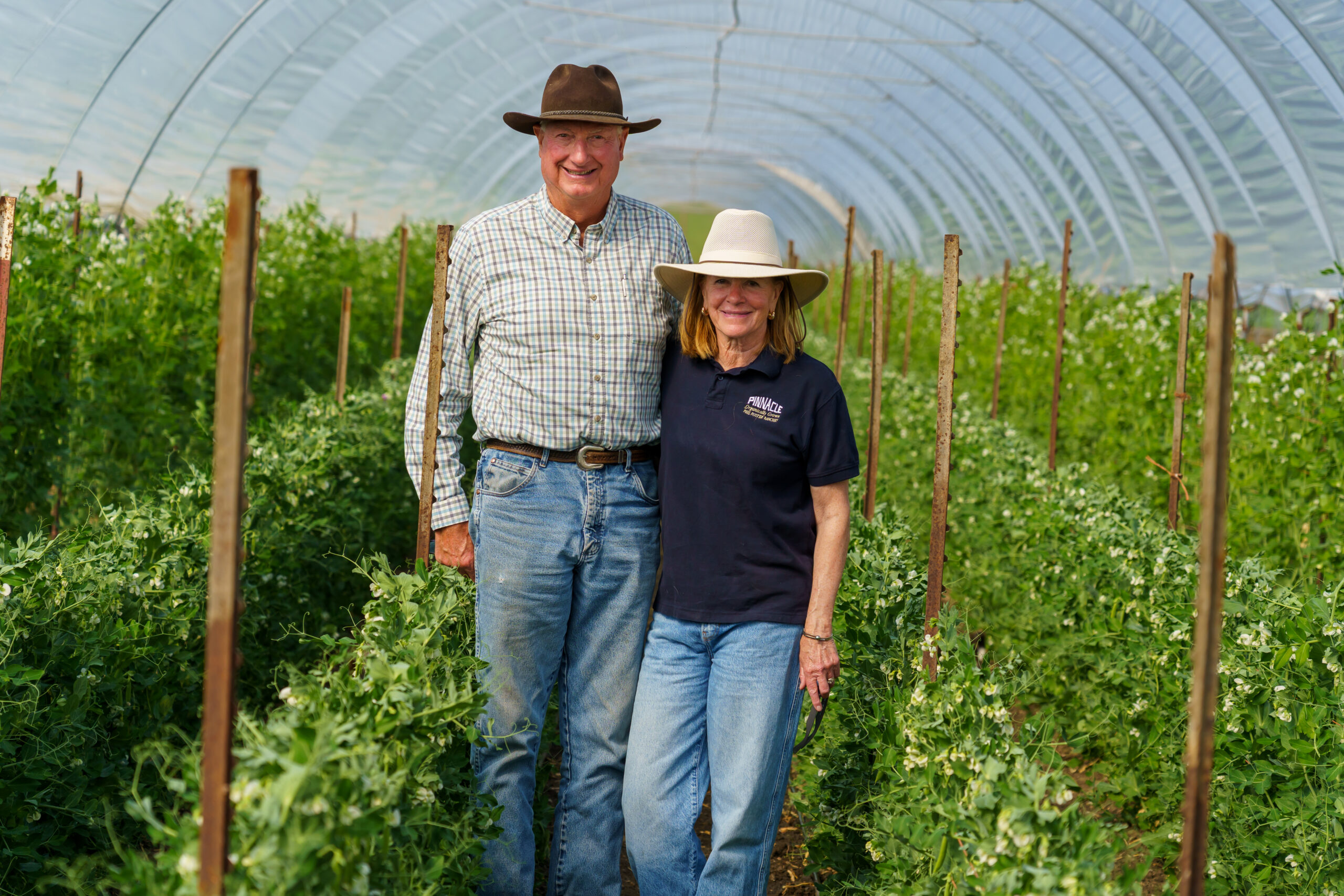
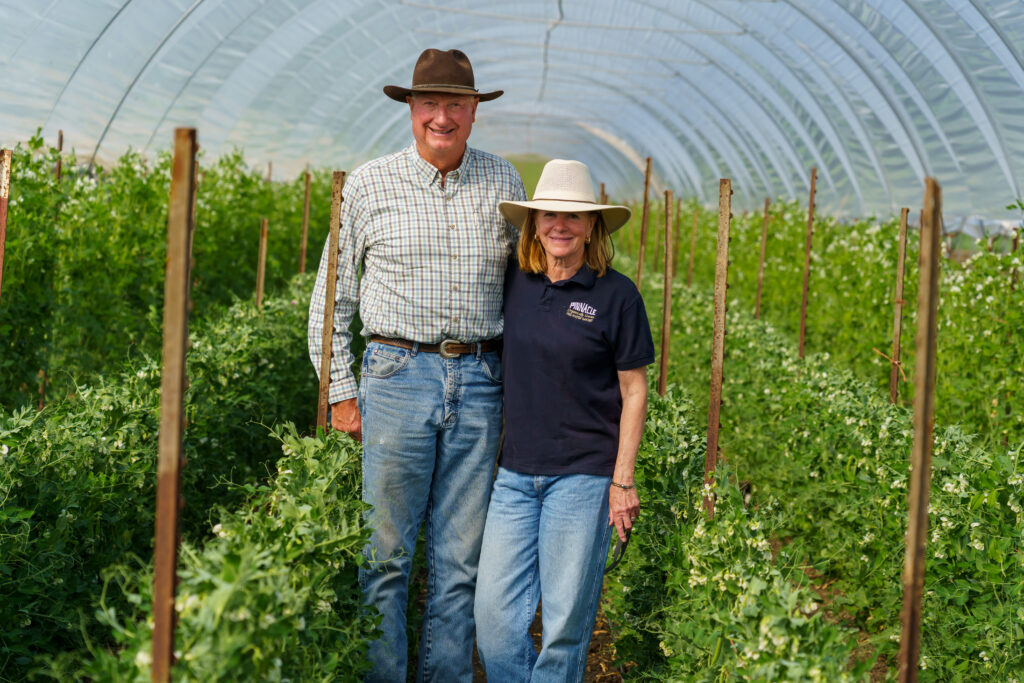
For more than 35 years, Phil and Katherine Foster have been quietly redefining what long-term organic farming looks like when it’s rooted in soil health, direct relationships, and community commitment.
Foster Ranch began in 1988 with just 20 acres of cannery tomatoes. By 1990, the farm had officially transitioned to certified organic production — a decision driven not by trend, but by economics, soil stewardship, and a belief that the future of farming had to look different.
From the beginning, the goal wasn’t simply to grow crops — it was to build a system that would improve over time.
Farming the Soil, Not Just the Season
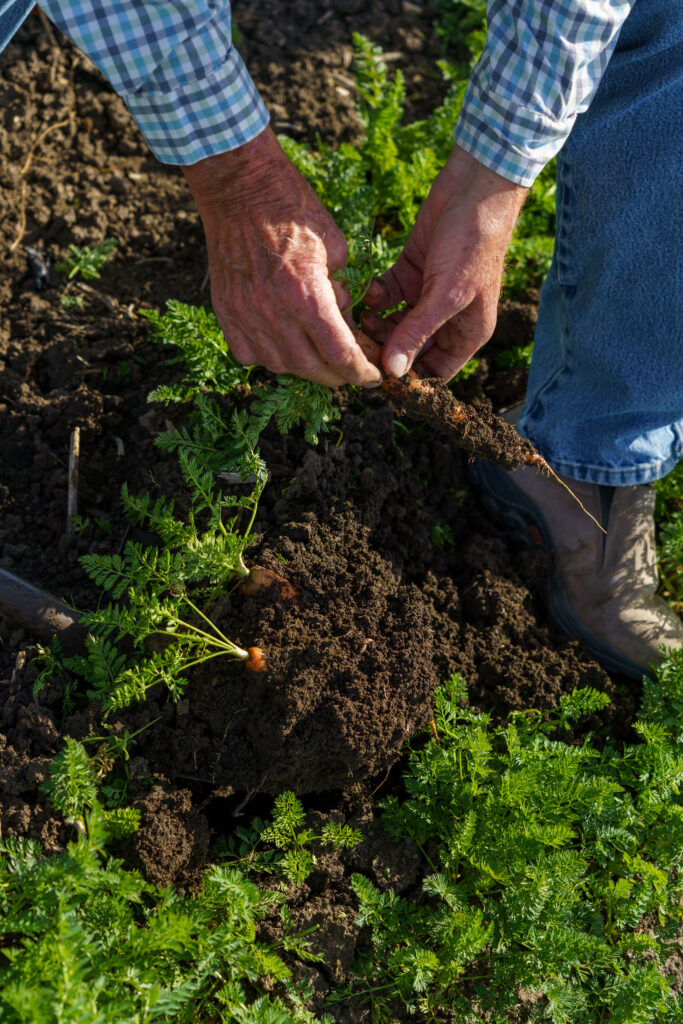
Phil often says the real work happens underground.
When Foster Ranch began its organic transition, soil organic matter averaged between 2% and 3.5%. Through intentional cover cropping, compost production, and reduced tillage practices, that number increased to between 3.5% and 6% by 2005 — a remarkable shift that reflects decades of long-term thinking.
Today:
• 75–80% of acreage is planted in cover crops annually
• 1,800–3,000 tons of compost are produced each year
• Reduced tillage and shallow vertical soil movement protect microbial life
The farm has not used a disk in eight years. Instead, the focus is on maintaining soil structure, aerobic microbial populations, and biological balance.
The philosophy is simple but disciplined:
Healthy soil produces resilient crops.
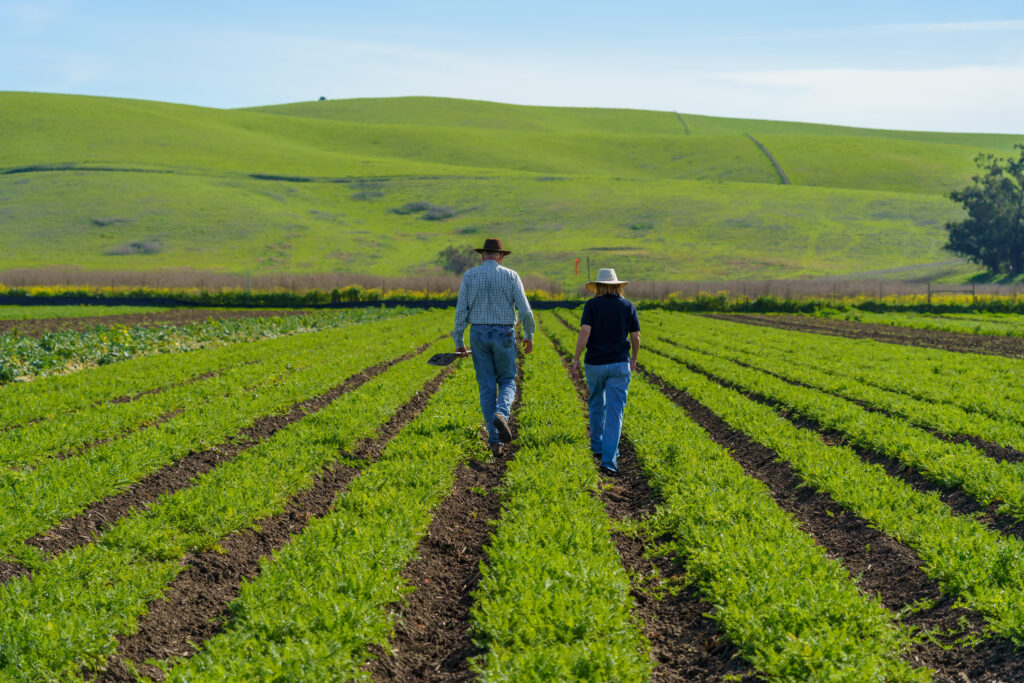
A Direct Line from Field to Store
In the mid-1990s, Foster Ranch made another pivotal decision — shifting toward direct marketing.
Rather than sending produce through distant distribution channels, they built their own delivery routes to local retailers, including Staff of Life.
That relationship, which began decades ago, continues today.
By working directly with our buyers, Pinnacle Organic maintains:
• Faster harvest-to-shelf timelines
• Better control over product quality
• Fair and transparent pricing
• Strong communication year-round
Most of their produce travels less than 100 miles — often harvested and delivered within a day.
For our customers, that means fresher produce, stronger flavor, and a smaller environmental footprint.
For the farm, it means stability and long-term sustainability.
Built on People
One of the strongest measures of a farm’s health isn’t just its soil — it’s its people.
Foster Ranch prioritizes year-round employment and long-term team development. Many employees have been with the farm for 10, 20, even 35 years.
Efren Contreras, now manager of the Santana Ranch, has been with the farm for nearly three decades.
One Morales, manager of the San Juan Ranch, has served for more than 20 years.
These are not seasonal relationships. They are careers.
That stability allows the farm to maintain consistency, skill, and deep institutional knowledge — something you can taste in the produce.