
A Practical Guide to Supporting Heart Health
February is Heart Health Month, as recognized by the American Heart Association. It’s a good reminder to pause and think about the one organ that works nonstop for you every day.
Supporting heart health does not require extreme changes or perfection. It comes from giving your body the right nutrients, staying active in ways that feel doable, and building habits you can maintain over time.
This guide focuses on simple, science-supported ways to care for your heart through food, essential vitamins and minerals, movement, and everyday lifestyle choices.
Nourishing Your Heart with Food
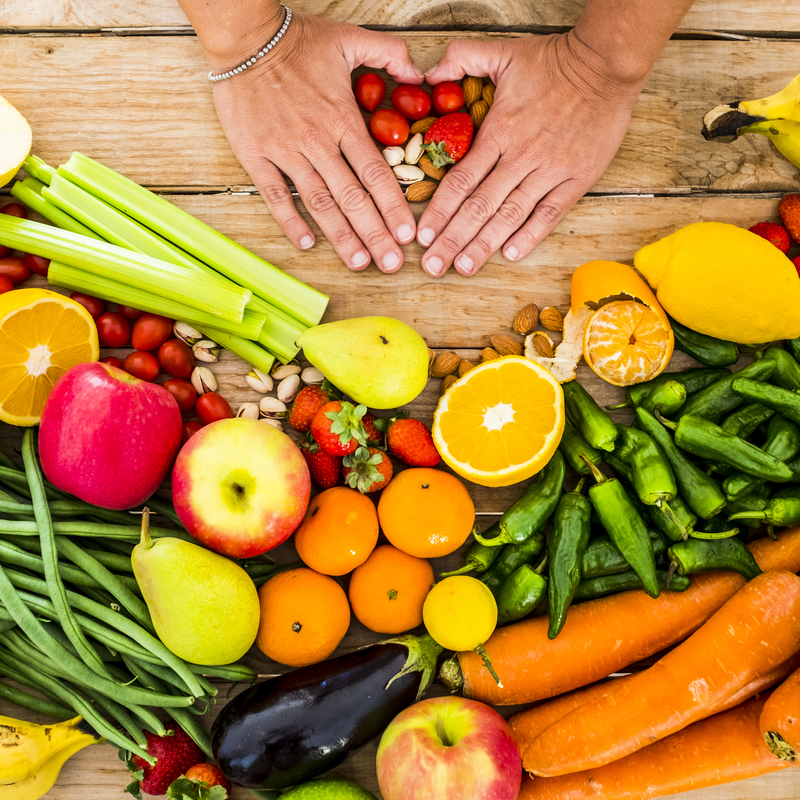
What you eat regularly plays a major role in cardiovascular health. A heart-supportive diet includes:
Fruits and vegetables
These provide antioxidants, fiber, and potassium, which help support healthy blood pressure, circulation, and inflammation balance.
Healthy fats
Foods rich in omega-3s such as salmon, walnuts, flaxseed, and chia seeds support healthy cholesterol and triglyceride levels.
Fiber-rich carbohydrates
Whole grains, beans, lentils, and vegetables help regulate blood sugar and support overall cardiovascular function.
Mineral-rich foods
Leafy greens, nuts, seeds, legumes, and whole foods supply magnesium, potassium, and calcium, all of which support heart rhythm and muscle contraction.
A sustainable approach
Instead of changing everything at once, focus on building balanced meals with protein, healthy fats, and fiber-rich plants. Small, steady improvements are easier to maintain.
Essential Vitamins and Minerals for Heart Health
Certain vitamins and minerals play important roles in keeping the heart and blood vessels functioning well.
Magnesium
Supports normal heart rhythm, muscle relaxation, and healthy blood vessel tone. Many people do not get enough through diet alone.
Potassium
Helps balance sodium levels and supports healthy blood pressure. It is found in fruits, vegetables, beans, and leafy greens.
Calcium
Plays a role in heart muscle contraction and vascular function. Balance is important, especially when paired with vitamin K2.
Vitamin D
Supports healthy blood pressure, immune function, and inflammation balance. Low levels are common, especially during the winter months.
Vitamin K2
Helps guide calcium to bones rather than arteries, supporting arterial flexibility.
B Vitamins (B6, folate, and B12)
Help maintain healthy homocysteine levels, which are linked to vascular health.
Antioxidant nutrients
Vitamin C, vitamin E, and selenium help protect cells from oxidative stress and support healthy blood vessels.
Nutrients with Added Heart Support
Some nutrients are especially helpful for direct cardiovascular support.
Omega-3 fatty acids (EPA and DHA)
Support healthy triglycerides, inflammation balance, and blood vessel function.
Coenzyme Q10 (CoQ10)
Supports energy production in heart muscle cells and provides antioxidant protection. Natural levels decline with age and may be lower in people taking statins.
Plant compounds
Polyphenols and flavonoids found in berries, tea, cocoa, and colorful plants support circulation and vascular health.
Movement That Supports the Heart
The heart is a muscle, and regular movement helps keep it strong.
Helpful guidelines include walking or other moderate activity most days of the week, strength training to support muscle and circulation, and choosing consistency over intensity.
Even short periods of movement done regularly can support cardiovascular endurance and overall vitality.
Lifestyle Foundations for a Healthy Heart
Sleep
Seven to nine hours of sleep each night supports hormone balance, inflammation regulation, and cardiovascular recovery.
Stress management
Ongoing stress can affect blood pressure and heart rhythm. Simple daily practices such as deep breathing, stretching, time outdoors, or quiet moments can help.
Hydration
Staying well hydrated supports blood volume, circulation, and heart efficiency.
The Big Picture
Heart health is built through consistent, everyday choices. Nutrient-dense foods, essential vitamins and minerals, regular movement, and supportive lifestyle habits work together to create a strong foundation for long-term cardiovascular wellness.
Supporting your heart does not need to be complicated. It just needs to be steady.
Supporting Your Heart at Staff of Life Natural Foods
From local organic produce delivered fresh daily to bulk ingredients, heart-supportive foods, and thoughtfully curated supplements, we’re here to make healthy choices more accessible and more affordable.
If you have questions, our staff is always happy to help you find foods and nutrients that fit your needs, your lifestyle, and your budget. Small steps matter, and we’re here to support you every step of the way.